
London’s Royal Parks Are Quietly Preparing for a Different Climate |
A five-year horticultural vision is changing how familiar landscapes are planted, cared for and prepared for the future |
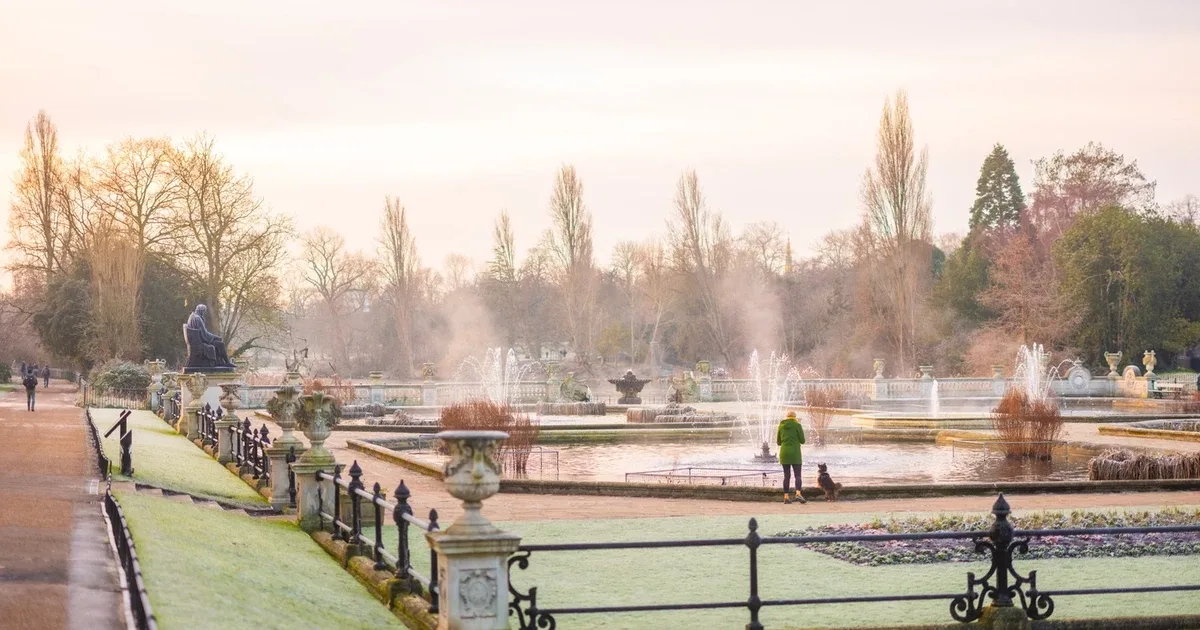
London’s parks often feel reassuringly permanent, as though the lawns, borders and tree-lined walks have always looked this way and always will.
Behind the scenes, however, The Royal Parks is preparing those familiar landscapes for a climate that is becoming harder to predict.
Its new Horticulture Vision sets out a five-year plan for 2026 to 2031, placing climate resilience at the centre of planting across London’s eight Royal Parks.
The challenge is straightforward to describe and complicated to solve: hotter summers, warmer and wetter winters, more extreme weather and increasing pressure on water and other resources.
The response is not to make the parks less beautiful in the name of resilience.
It is to rethink what beauty needs to look like if it is going to survive.
The plan includes trialling a wider range of plants, matching species more carefully to their locations and using water and soil resources more intelligently.
It also places greater emphasis on diverse planting that works for wildlife as well as visitors.
That means some of London’s most recognisable green spaces may gradually become more varied, more experimental and more ecologically useful.
The Royal Parks has framed the work around five objectives: everyday wonder, iconic horticulture, diverse planting, respect for heritage and a sustainable future.
That final balance is important because these are historic landscapes, not blank canvases.
New planting has to respond to changing environmental conditions while still respecting the character people associate with places such as Hyde Park, Kensington Gardens, Regent’s Park and Greenwich Park.
For visitors, much of the change may initially be subtle.
A border may contain unfamiliar plants, a scheme may use species that cope better with drought, or a planting may be designed to support more insects and pollinators.
Over time, however, those decisions add up.
Climate adaptation becomes something visible not through dramatic infrastructure but through the texture, colour and seasonal rhythm of the city.
There is something quietly hopeful about that.
Rather than treating climate change only as an abstract global problem, the horticultural teams responsible for some of London’s most loved spaces are asking a practical question: what should we plant now so that people can still enjoy these places decades from now?
That is the sort of change worth noticing.
The next time you walk through a Royal Park, the most interesting new arrival may not be a building or an event, but a plant chosen because London itself is changing. |
0 Comments
Join the conversation
Be the first to comment
Share your thoughts above.